
Slicing meat paper-thin at home is easier than you think- even without fancy equipment. Whether you’re making stir-fry, sandwiches, or jerky, thinner slices cook better.
By slightly freezing the meat, using a sharp knife, and learning a few key techniques, you can master it in your own kitchen. Ready to unlock the secrets that pros use?
Let’s dive in.
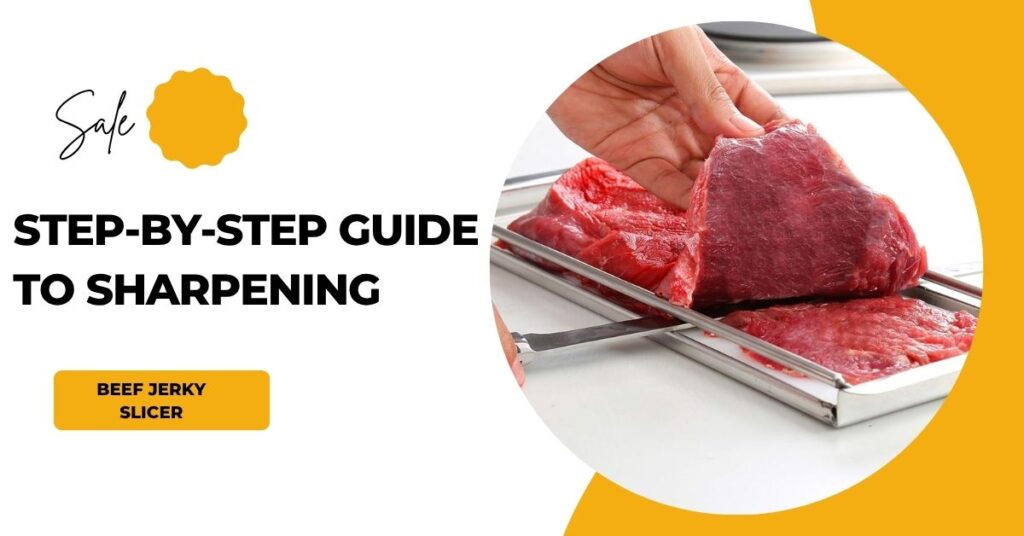
How to Get Thin Meat Cuts Without a Commercial Slicer?
Want to make paper-thin slices of meat for sandwiches, stir-fries, or jerky? You’re not alone. Thin cuts cook fast, soak up flavor, and just taste better sometimes.
But not everyone has a big commercial slicer sitting on their counter. The good news? You don’t need the best meat slicer to get great results. With a few simple tricks and the right tools you likely already own.
Why Thin Cuts Matter?
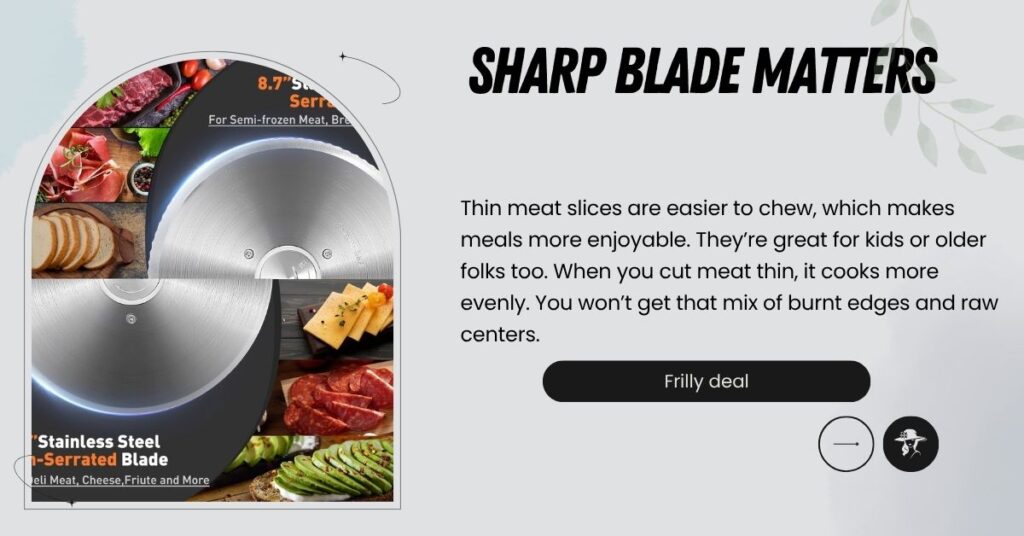
Getting meat sliced thin isn’t just about looks- it changes how it cooks and tastes.
- Cooks faster and more evenly: Thin cuts help meat cook quickly and evenly, which is great when you’re short on time or making things like stir-fries.
- Better bite and texture: Thin slices are easier to chew and feel better in your mouth, especially in sandwiches or wraps.
- Soaks up flavor faster: Marinades or seasonings go deep into thin cuts much faster than thick ones. That means more taste in less time.
I also suggested other options:
Essential Techniques and Tools
Getting thin cuts at home takes a little know-how. Here’s what helps:
A. The Partial Freeze Method: Place your meat in the freezer for 30–60 minutes. Don’t freeze it solid- just firm. This gives the meat structure and keeps it from slipping around when you cut it. A firm texture makes slicing thinner and more even.
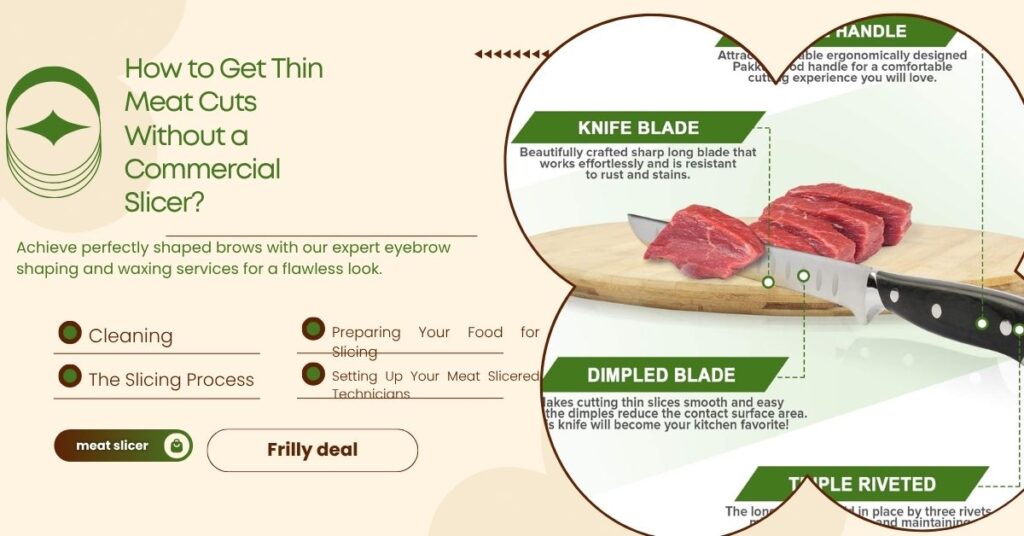
B. The Right Knife: Use a sharp, long-blade knife. A chef’s knife or slicing knife works best. Dull knives drag through the meat, tear it, and are more likely to slip and cut you. A sharp knife gives clean, smooth cuts with less effort.
C. Proper Slicing Technique: Use long, even strokes. Don’t saw back and forth. Hold the meat steady and slice against the grain– this keeps the meat tender. Apply gentle, even pressure.
D. Alternative Kitchen Tools
- Mandoline slicer: Works well for small, boneless cuts. Watch your fingers- it’s sharp.
- Electric knife: Not common, but handy if you have one. It gives steady slices on tougher meats.
Tips for Best Results
- Chill Before Slicing: Always chill your meat for easier slicing. That partial freeze is key.
- Keep Your Knife Sharp: This one’s worth repeating- sharp knives make the biggest difference.
- Slice in Batches: Don’t try to cut a giant roast all at once. Cut smaller sections to stay in control.
- Practice Helps: Thin slicing takes some skill. The more you do it, the better you’ll get. Don’t stress if your first slices are uneven.